Empowering Kenya’s Youth with Trusted Health Information

Health Topics

Our health library contains reliable information covering the most important public health issues affecting individuals and communities.

50,000+
Community Members

1,000+
Students Trained

20+ Years of Health
Education & Community Impact

Infectious Diseases

Infectious diseases are illnesses caused by harmful microorganisms such as viruses, bacteria, parasites, or fungi. These diseases can spread from one person to another or through contaminated food, water, animals, insects, or the environment. While some infectious diseases cause mild illness, others can lead to severe complications, disability, or death if not prevented or treated promptly.
Infectious diseases remain a major public health challenge worldwide, particularly in regions where access to clean water, sanitation, healthcare, and vaccination may be limited. However, many infectious diseases can be prevented through simple public health measures such as vaccination, good hygiene, safe food and water practices, vector control, and early medical care.
Understanding how diseases spread and how to protect yourself is one of the most effective ways to keep individuals, families, and communities healthy.

How it works

Build your health knowledge, understand your options, and make informed decisions for a healthier future.

1:1 HEALTH EDUCATION & GUIDANCE

Community Impact

Our health library contains reliable information covering the most important public health issues affecting individuals and communities.

How Infectious Diseases Spread

Disease-causing microorganisms can spread in different ways depending on the infection.

Person-to-Person Transmission

Some diseases spread through direct contact with an infected person, respiratory droplets, body fluids, or sexual contact.

Examples include:

  • COVID-19
  • Influenza
  • Tuberculosis
  • HIV
  • Measles

Animal-to-Human (Zoonotic) Transmission

Certain diseases originate in animals and can spread to humans through direct contact or exposure to infected animal tissues or fluids.


Examples include:

  • Ebola Virus Disease
  • Marburg Virus Disease

Vector-Borne Transmission

Some diseases are spread by insects such as mosquitoes or ticks that carry infectious organisms.


Examples include:

  • Malaria
  • Dengue Fever
  • Yellow Fever

Food and Water Transmission

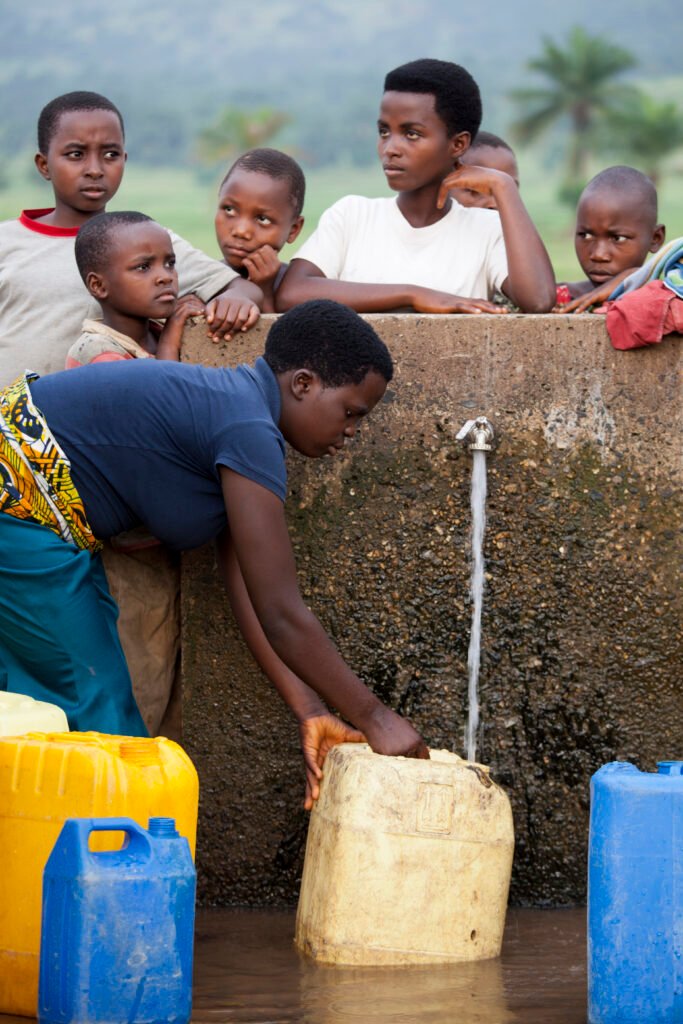
Contaminated food or drinking water can transmit bacteria, viruses, and parasites.


Examples include:

  • Cholera
  • Typhoid Fever
  • Hepatitis A

Environmental Transmission

Some infectious organisms survive in contaminated environments, healthcare settings, or poorly sanitized areas, increasing the risk of infection.

Common Symptoms of Infectious Diseases

Symptoms vary depending on the disease but commonly include:

  • Fever
  • Chills
  • Fatigue
  • Headache
  • Muscle aches
  • Cough
  • Difficulty breathing
  • Sore throat
  • Skin rash
  • Vomiting
  • Diarrhea
  • Swollen lymph nodes
  • Unexplained weight loss


If symptoms become severe or persist, medical attention should be sought immediately.

Preventing Infectious Diseases

Many infectious diseases can be prevented through healthy daily habits.


Protect yourself by:

  • Washing hands regularly with soap and clean water.
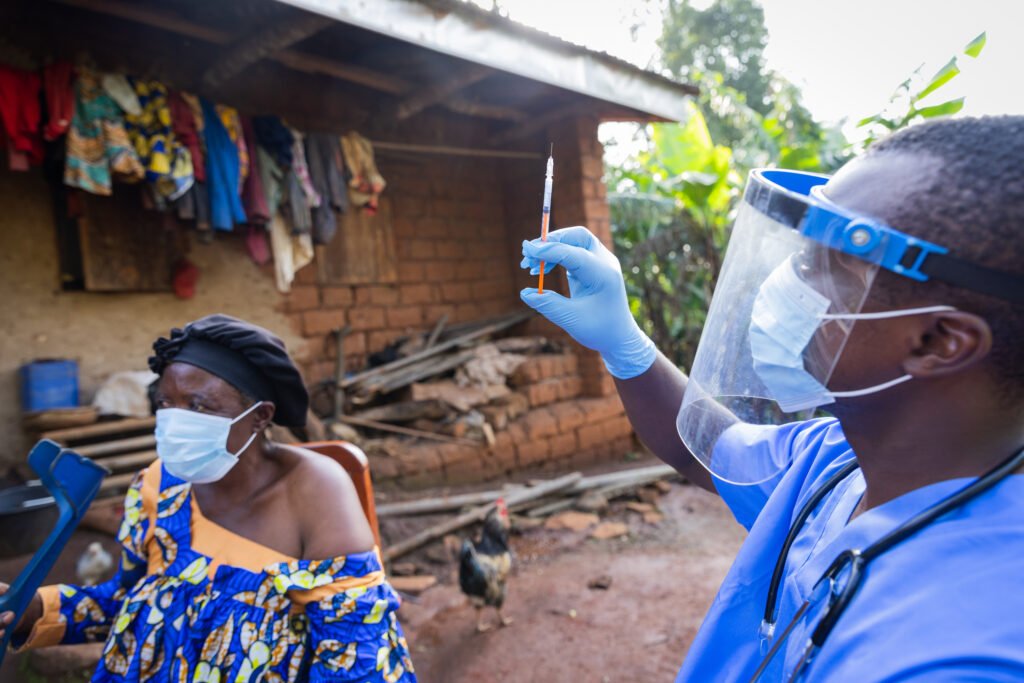
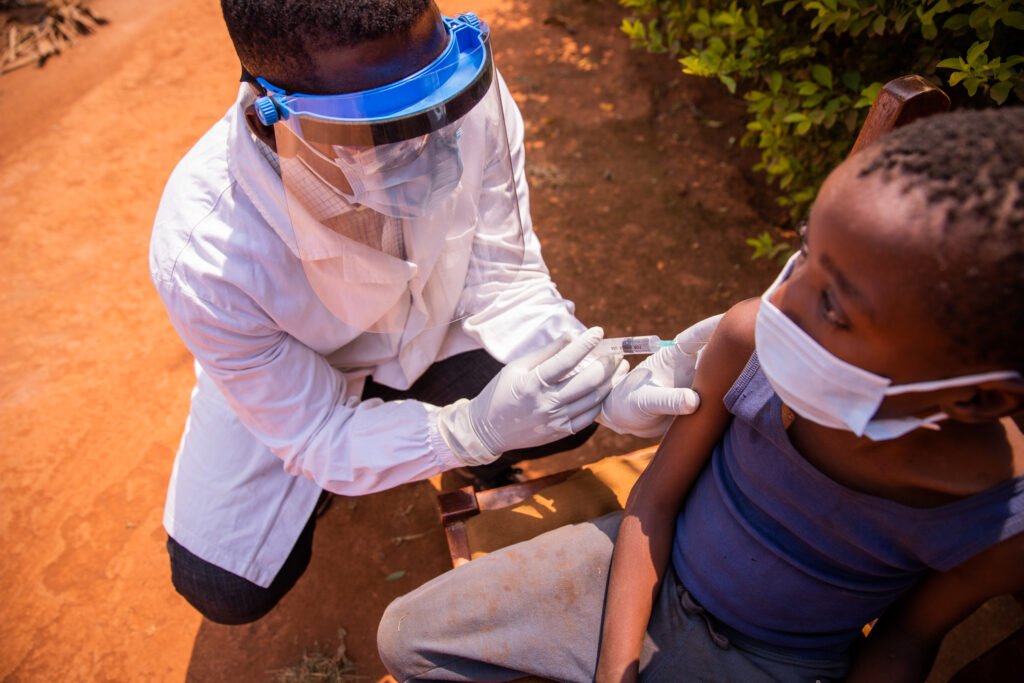
  • Getting recommended vaccinations.
  • Drinking safe, clean water.
  • Preparing food safely.
    Practicing safe sex.
  • Covering your mouth and nose when coughing or sneezing.
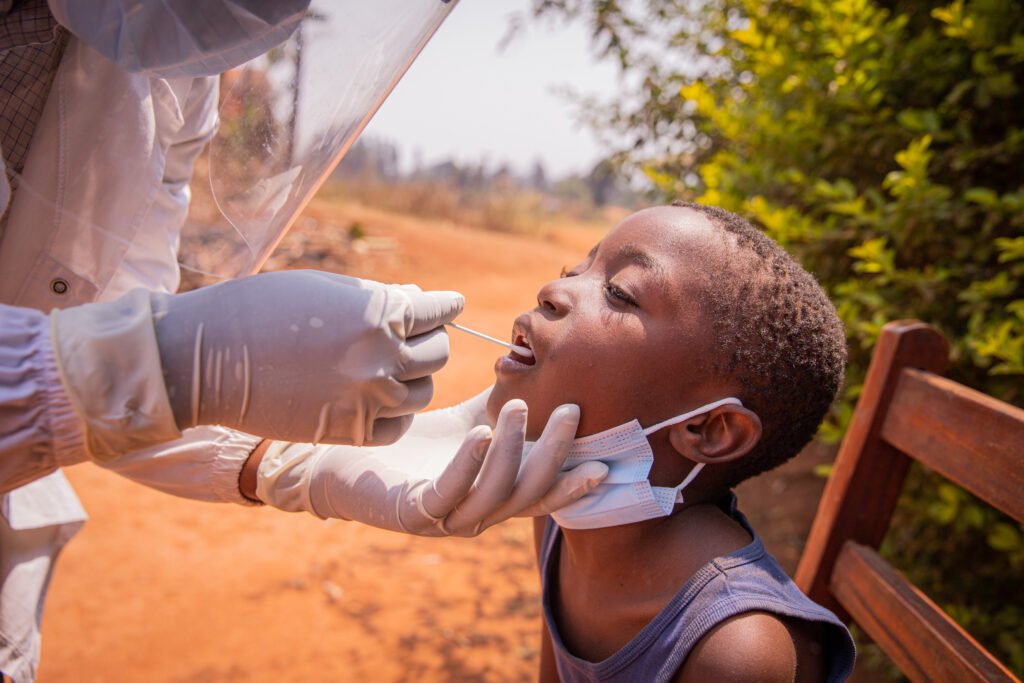
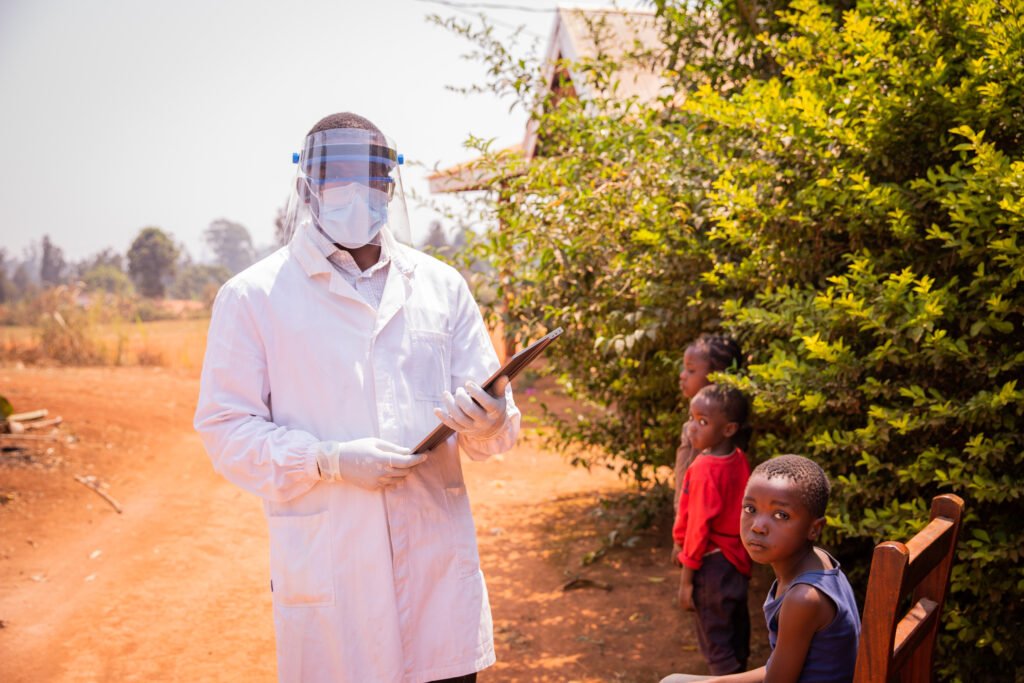
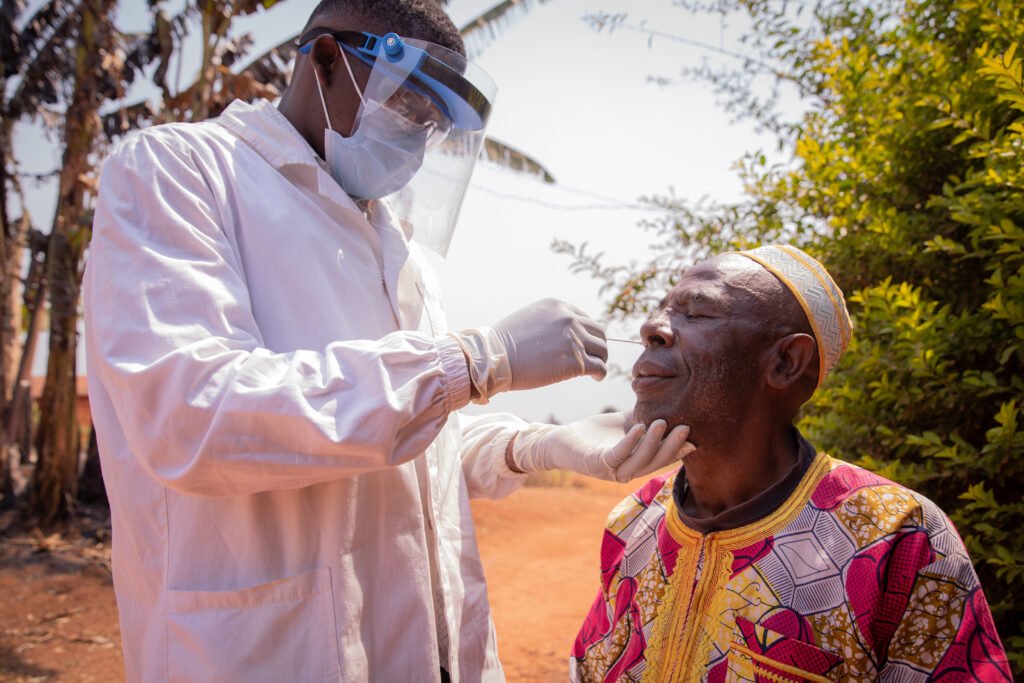
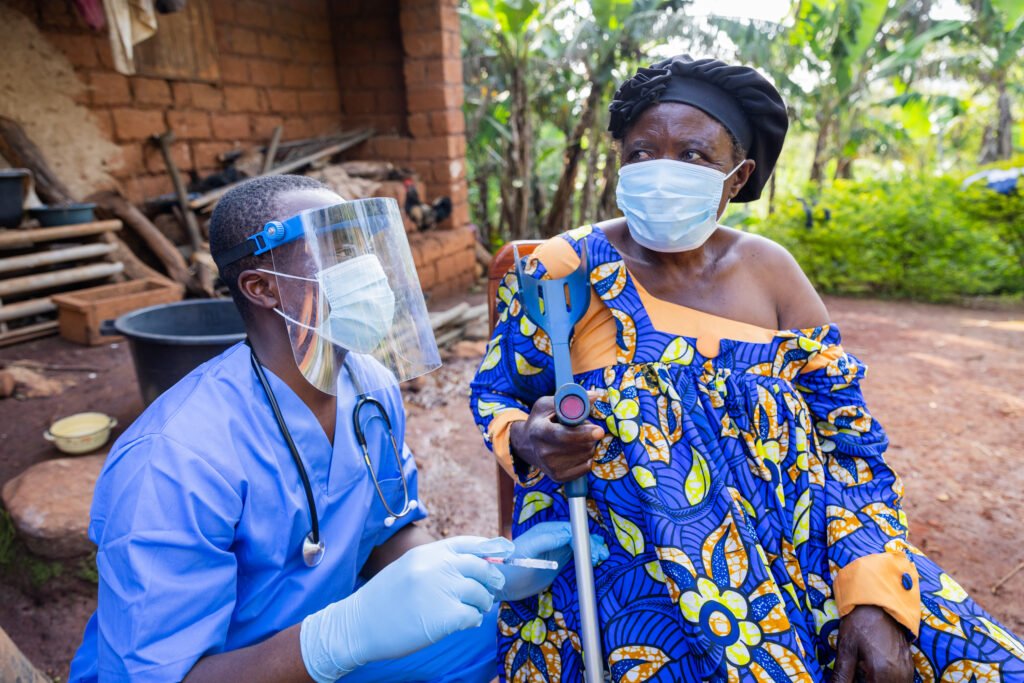
  • Wearing appropriate protective equipment when necessary.
  • Sleeping under insecticide-treated mosquito nets where malaria is common.
  • Keeping your environment clean.
  • Seeking medical care early when symptoms develop.
  • Following public health advice during disease outbreaks.

Ebola Virus Disease

Ebola Virus Disease (EVD) is a severe and often life-threatening illness caused by viruses in the Orthoebolavirus genus. The disease was first identified in 1976 and has caused outbreaks in several African countries.
Ebola spreads through direct contact with the blood or body fluids of an infected person or contaminated materials. It does not spread through the air like influenza or COVID-19.

What is Ebola?

Common Symptoms:

  • Sudden fever
  • Severe headache
  • Muscle pain
  • Weakness
  • Sore throat
  • Vomiting
  • Diarrhea
  • Skin rash
  • Bleeding in some patients

Prevention

  • Avoid direct contact with infected body fluids.
  • Practice regular hand hygiene.
  • Use appropriate personal protective equipment (PPE) when caring for patients.
  • Follow safe burial practices.
  • Seek medical care immediately if symptoms develop after possible exposure.

Marburg Virus Disease

Marburg Virus Disease is a rare but severe viral hemorrhagic fever caused by the Marburg virus. It belongs to the same virus family as Ebola and can cause serious outbreaks.
The virus is associated with fruit bats and spreads through direct contact with infected people or contaminated body fluids and materials.

Symptoms

  • High fever
  • Severe headache
  • Muscle pain
  • Vomiting
  • Diarrhea
  • Abdominal pain
  • Rash
  • Bleeding in severe cases

Prevention

  • Avoid contact with infected individuals and their body fluids.
  • Follow infection prevention and control measures.
  • Use PPE in healthcare settings.
  • Avoid entering caves or mines inhabited by bats without proper precautions.

Learn About Disease Viruses

Members-Only Content

This content is exclusively available to our paid members. Log in to your account or register now to unlock full access.

Secure access for registered members

What is Cholera?

Cholera is an acute diarrheal disease caused by the bacterium Vibrio cholerae. It spreads mainly through contaminated water and food.
Without prompt treatment, severe dehydration caused by cholera can become life-threatening.

Symptoms

  • Sudden watery diarrhea
  • Vomiting
  • Leg cramps
  • Rapid dehydration
  • Weakness

Prevention

  • Drink safe water.
  • Wash hands with soap.
  • Eat properly cooked food.
  • Use improved sanitation facilities.
  • Seek treatment immediately if severe diarrhea develops.

What is Mpox?

Mpox is a viral disease caused by the monkeypox virus. It spreads through close physical contact with infected people, contaminated materials, or infected animals.
Most people recover fully, but some may develop severe illness.

Symptoms

  • Fever
  • Headache
  • Swollen lymph nodes
  • Muscle aches
  • Skin rash that develops into blisters and scabs
    Fatigue

Prevention

  • Avoid close contact with infected individuals.
  • Wash hands regularly.
  • Avoid sharing bedding, towels, or clothing with infected persons.
  • Follow public health guidance during outbreaks.

What is Tuberculosis?

Tuberculosis is a bacterial disease caused by Mycobacterium tuberculosis. It mainly affects the lungs but can also involve other parts of the body.
TB spreads through tiny droplets released into the air when a person with active pulmonary TB coughs, sneezes, or speaks.

Symptoms

  • Persistent cough lasting more than two weeks
  • Chest pain
  • Coughing up blood
  • Weight loss
  • Night sweats
  • Fever
  • Fatigue

Prevention

  • Early diagnosis and treatment.
  • Good ventilation.
  • Covering coughs and sneezes.
  • Screening of close contacts.
  • BCG vaccination in countries where recommended

What is HIV?

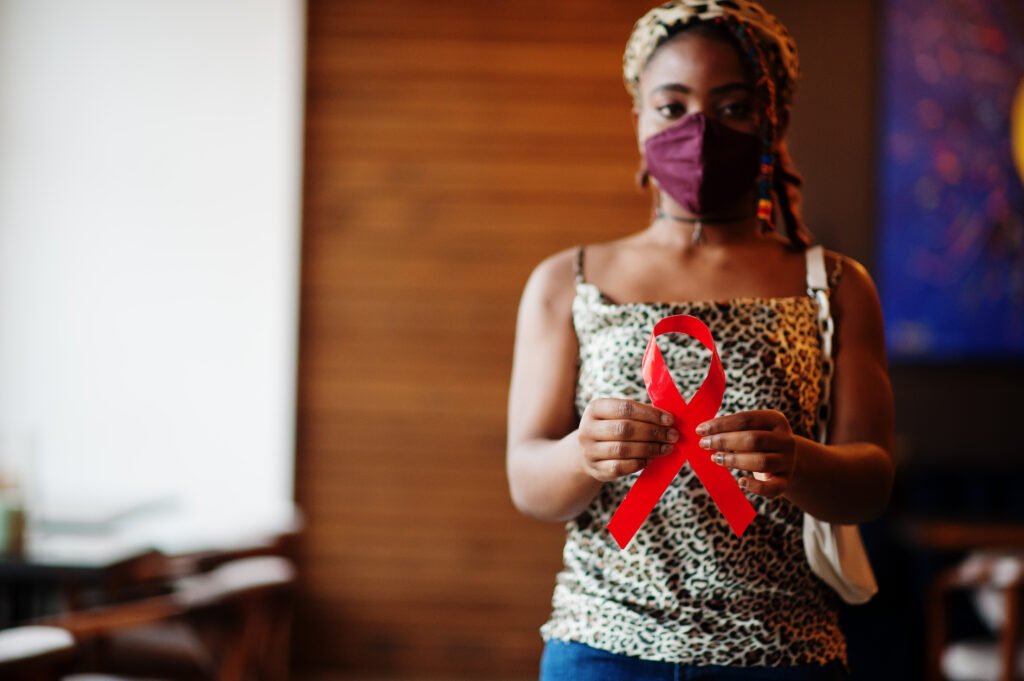
HIV attacks the body’s immune system, making it difficult to fight infections if left untreated.
Modern medicines allow people living with HIV to live long, healthy lives and prevent transmission when treatment is taken consistently.

Prevention

  • Correct and consistent condom use.
  • Regular HIV testing.
  • Pre-Exposure Prophylaxis (PrEP) for eligible individuals.
  • Safe injection practices.
  • Prevention of mother-to-child transmission through appropriate care.