Empowering Kenya’s Youth with Trusted Health Information

Sexual Health

Sexual health is an important part of overall physical, emotional, and social wellbeing.
Everyone deserves access to accurate information that helps them make informed decisions about their bodies, relationships, and reproductive health.
Understanding sexual health is not only about preventing disease. It also includes healthy relationships, communication, respect, consent, family planning, reproductive health, and overall wellbeing.

Understanding Your Body

Learning about your body helps you understand normal physical changes during puberty and adulthood.
Knowing how your reproductive system works enables you to make informed choices throughout life.

Healthy Relationships

Healthy relationships are based on:

Respect

Trust

Communication

Equality

Consent

Personal boundaries

Everyone deserves relationships that are safe, respectful, and free from violence or coercion.

Healthy Relationships

Healthy relationships are an important part of overall health and wellbeing. They can exist between romantic partners, friends, family members, classmates, colleagues, and members of the community. A healthy relationship is built on mutual care, understanding, honesty, and respect. These relationships help people feel safe, valued, supported, and free to be themselves.
Healthy relationships do not happen by chance. They require effort, communication, trust, and respect from everyone involved. They also contribute to better mental health, stronger self-esteem, reduced stress, and healthier communities.

What is Respect?

Respect means recognizing and appreciating the value, dignity, opinions, feelings, beliefs, and rights of another person, even when they are different from your own. Respect is the foundation of every healthy relationship and creates an environment where everyone feels valued and heard.
Respect involves treating others with kindness, fairness, and consideration. It also means accepting that every person deserves to make decisions about their own life, body, and future without pressure or discrimination.

What Respect Looks Like

People who respect each other:

  • Listen without interrupting.
  • Speak politely, even during disagreements.
  • Value each other’s opinions.
  • Support each other’s goals and dreams.
  • Respect personal choices and beliefs.
  • Appreciate differences in culture, religion, and background.
  • Treat one another equally.
  • Avoid insults, humiliation, or discrimination.

Why Respect Matters

Respect strengthens relationships by:

  • Building mutual understanding.
  • Reducing conflict.
  • Improving communication.
  • Increasing emotional safety.
  • Promoting trust.
  • Encouraging cooperation.

Signs of Disrespect

Disrespect can include:

  • Name-calling or insults.
  • Ignoring someone’s opinions.
  • Mocking or humiliating another person.
  • Controlling another person’s decisions.
  • Belittling achievements.
  • Threatening or intimidating others.
  • Discrimination based on gender, race, religion, disability, or sexual orientation.


Everyone deserves to be treated with dignity and respect.

What is Trust?

Trust is the confidence that another person will be honest, reliable, supportive, and act in ways that do not intentionally harm you. Trust develops over time through consistent actions, honesty, and dependability.
Healthy relationships depend on trust because it allows people to feel emotionally secure and confident in one another.

How Trust is Built

Trust grows when people:

  • Keep their promises.
  • Tell the truth.
  • Admit mistakes.
  • Respect confidentiality.
  • Are dependable.
  • Support one another during difficult times.
  • Take responsibility for their actions.

Why Trust is Important

Trust helps people:

  • Feel emotionally safe.
  • Build stronger friendships and partnerships.
  • Resolve conflicts more effectively.
  • Communicate openly.
  • Reduce unnecessary
  • fear and suspicion.

Behaviors That Damage Trust

Trust may be broken by:

  • Lying.
  • Cheating.
  • Breaking promises repeatedly.
  • Sharing private information without permission.
  • Manipulating others.
  • Being dishonest about important matters.


Although trust can sometimes be rebuilt, it often requires time, accountability, honesty, and consistent positive behavior.

What is Healthy Communication?

Communication is the process of sharing thoughts, feelings, ideas, concerns, and information with others. Healthy communication allows people to understand one another, solve problems together, and build stronger relationships.
Good communication involves both speaking clearly and listening carefully.

Characteristics of Healthy Communication

Healthy communication includes:

  • Speaking honestly.
  • Listening actively.
  • Being respectful.
  • Expressing feelings calmly.
  • Asking questions when something is unclear.
  • Avoiding assumptions.
  • Being open to feedback.

Active Listening

Listening is just as important as speaking.


Good listeners:

  • Pay attention.
  • Maintain eye contact when appropriate.
  • Avoid interrupting.
  • Ask questions for clarification.
  • Show empathy.
  • Respect different opinions.

Handling Disagreements

Disagreements are a normal part of every relationship.


Healthy ways to resolve conflict include:

  • Staying calm.
  • Focusing on the issue rather than attacking the person.
  • Looking for solutions together.
  • Respecting different viewpoints.
  • Being willing to apologize when wrong.
  • Compromising when appropriate.

Poor Communication

Unhealthy communication may include:

  • Shouting.
  • Threatening.
  • Ignoring someone intentionally.
  • Using insults.
  • Manipulation.
  • Gossiping.
  • Passive-aggressive behavior.

Healthy communication helps relationships grow stronger rather than creating unnecessary conflict.

What Does Equality Mean?

Equality means that everyone in a relationship has equal value, equal rights, and equal opportunities to express themselves, make decisions, and contribute. Healthy relationships are partnerships—not competitions—and no one should have power or control over another person.
Equality does not mean that everyone is the same. Instead, it means recognizing that every individual deserves fairness, dignity, and equal respect regardless of gender, age, background, culture, religion, disability, or economic status.

Equality in Everyday Life

In healthy relationships, people:

  • Make important decisions together.
  • Share responsibilities fairly.
  • Respect each other’s opinions.
  • Encourage one another’s goals.
  • Support each other’s personal growth.
  • Appreciate each other’s contributions.
  • Avoid controlling behavior.

Benefits of Equality

Equality helps build relationships that are:

  • More respectful.
  • More supportive.
  • More peaceful.
  • More satisfying.
  • More stable.
  • Better able to resolve conflict.

Signs of Unequal Relationships

Relationships may become unhealthy when one person:

  • Makes all the decisions.
  • Controls finances.
  • Decides who the other person can see.
  • Limits access to education or employment.
  • Uses fear or intimidation.
  • Believes their needs are more important than everyone else’s.
  • Healthy relationships recognize that every person deserves an equal voice.

What is Consent?

Consent is a clear, informed, voluntary, and enthusiastic agreement between people to participate in any activity, especially physical or sexual activity. Consent means that everyone involved freely agrees without pressure, fear, manipulation, threats, or coercion.
Consent is about respecting another person’s choices and understanding that every individual has the right to decide what happens to their own body.

Key Principles of Consent

Consent must always be:

Freely Given

The decision is made voluntarily without pressure, intimidation, manipulation, or force.

Informed

Everyone understands what they are agreeing to.

Specific

Agreeing to one activity does not mean agreeing to another.

Reversible

Anyone can change their mind at any time, even if they previously agreed.

Enthusiastic

Consent should be given willingly, not reluctantly or under pressure.

When Consent Cannot Be Given

Consent cannot be given when someone:

  • Is unconscious.
  • Is asleep.
  • Is intoxicated to the point they cannot make informed decisions.
  • Is threatened or forced.
  • Is below the legal age of consent as defined by national laws.
  • Has been manipulated or coerced.

Why Consent Matters

Consent protects:

  • Personal dignity. 
  • Safety. 
  • Human rights. 
  • Mutual respect. 
  • Healthy relationships. 

Respecting consent is everyone’s responsibility.

What Are Personal Boundaries?

Personal boundaries are the physical, emotional, mental, digital, and social limits that help individuals feel safe, respected, and comfortable. Boundaries allow people to protect their wellbeing while maintaining healthy relationships with others.

Healthy boundaries differ from person to person. Everyone has the right to establish boundaries that reflect their comfort level, beliefs, values, and personal needs.

Types of Personal Boundaries

Physical Boundaries

These relate to personal space and physical contact.

Examples include:

  • Choosing whether to hug or shake hands. 
  • Deciding who can touch your body. 
  • Respecting another person’s personal space.

Emotional Boundaries

These protect emotional wellbeing.

Examples include:

  • Saying no to emotional manipulation. 
  • Avoiding relationships that are emotionally abusive. 
  • Expressing feelings honestly. 
  • Respecting another person’s emotions. 

Digital Boundaries

Digital safety is increasingly important.

Healthy digital boundaries include:

  • Respecting online privacy. 
  • Not sharing passwords. 
  • Asking permission before posting photos of others. 
  • Avoiding cyberbullying. 
  • Respecting personal messages and social media privacy. 

Time Boundaries

People have the right to manage their own time.

Healthy examples include:

  • Balancing school, work, family, and friendships. 
  • Taking time to rest. 
  • Saying no when overwhelmed. 

How to Set Healthy Boundaries

Healthy boundaries can be established by:

  • Communicating clearly and respectfully. 
  • Being honest about your comfort level. 
  • Saying “no” when necessary without feeling guilty. 
  • Respecting the boundaries of others. 
  • Seeking support if your boundaries are repeatedly ignored.

Respecting Other People's Boundaries

Healthy relationships involve recognizing that everyone has different comfort levels. Respecting another person’s boundaries demonstrates care, maturity, and mutual respect.

If someone says “no,” changes their mind, or asks for space, their decision should always be respected without pressure or retaliation.

Building Healthy Relationships Every Day

Healthy relationships are built through everyday actions. Showing kindness, listening with empathy, communicating honestly, respecting differences, and supporting one another all contribute to stronger, safer, and more fulfilling relationships. While disagreements are normal, treating each other with dignity and compassion helps relationships grow and thrive over time.

Remember, a healthy relationship should make you feel safe, respected, valued, supported, and free to be yourself. If a relationship consistently causes fear, pressure, humiliation, or harm, it may be unhealthy, and seeking support from a trusted adult, counselor, healthcare provider, or local support service can be an important step toward safety and wellbeing.

I will develop videos and pictures by myself, just ensure provision on resources

HIV and Sexually Transmitted Infections (STIs)

Protecting Your Sexual Health

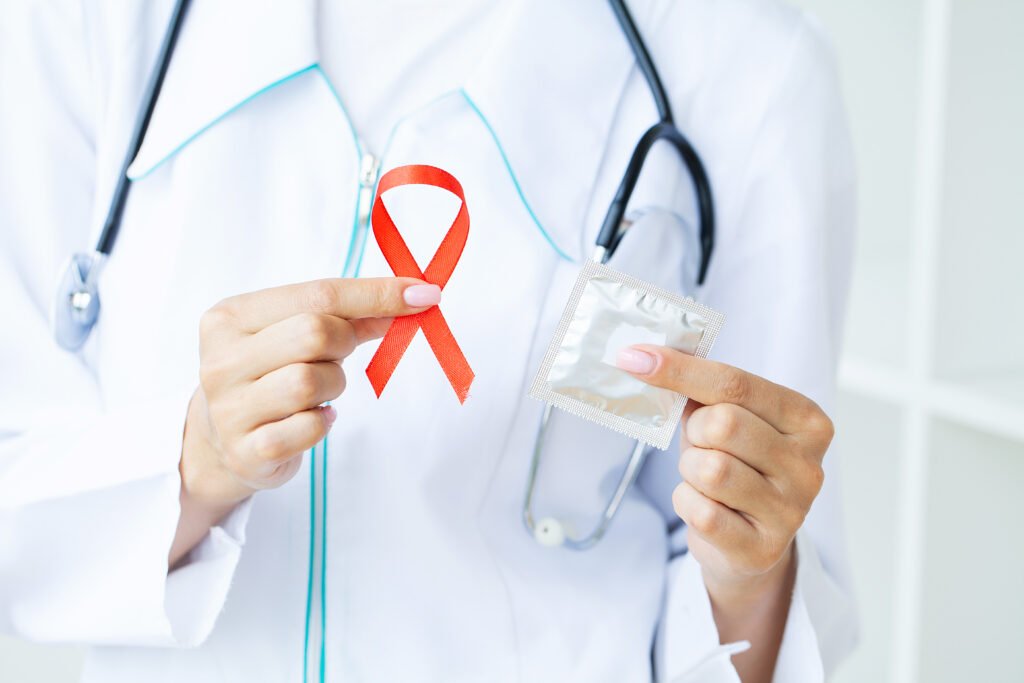
Sexual health is an important part of your overall health and wellbeing. Understanding HIV and other sexually transmitted infections (STIs) empowers you to make informed decisions, protect yourself and your partners, and seek care when needed.

Sexually transmitted infections are infections that are primarily spread through sexual contact, including vaginal, anal, and oral sex. Some STIs can also be transmitted from mother to child during pregnancy, childbirth, or breastfeeding, while others may spread through blood or shared needles.

Many STIs can be prevented, detected early through testing, and effectively treated. Some, like HIV and Hepatitis B, can be managed with appropriate medical care, allowing people to live long, healthy, and productive lives.

Remember, having an STI does not define a person. Seeking testing and treatment is a responsible step toward protecting your health and the health of others.


HIV and Sexually Transmitted Infections

Sexually transmitted infections are common but many are preventable.

HIV

Gonorrhea

Chlamydia

Syphilis

Enthusiastic

Hepatitis B

Understand:

Symptoms

Prevention

Testing

Treatment

Living positively

What is HIV?

Human Immunodeficiency Virus (HIV) is a virus that attacks the body’s immune system, specifically CD4 cells (also called T-helper cells), which help the body fight infections.

Without treatment, HIV weakens the immune system over time, making it difficult for the body to fight diseases. If left untreated, HIV can progress to Acquired Immunodeficiency Syndrome (AIDS), the most advanced stage of HIV infection.

Today, effective medicines called antiretroviral therapy (ART) allow people living with HIV to lead long, healthy lives. Early diagnosis and consistent treatment can reduce the amount of virus in the body to undetectable levels, preventing illness and eliminating the risk of sexually transmitting HIV to partners (often referred to as “Undetectable = Untransmittable” or U=U).

How HIV is Transmitted

HIV can be transmitted through:

  • Unprotected vaginal or anal sex with someone who has HIV and is not virally suppressed. 
  • Sharing needles, syringes, or other equipment used to inject drugs. 
  • From a mother living with HIV to her baby during pregnancy, childbirth, or breastfeeding if preventive treatment is not received. 
  • Transfusion of infected blood or blood products where blood safety measures are inadequate. 
  • Occupational exposure in healthcare settings, such as accidental needle-stick injuries (rare). 

HIV is NOT Spread Through

You cannot get HIV from:

  • Hugging or shaking hands. 
  • Sharing food or drinks. 
  • Sharing toilets. 
  • Mosquito or insect bites. 
  • Coughing or sneezing. 
  • Casual social contact. 
  • Swimming pools. 
  • Sharing utensils. 

Understanding how HIV spreads helps reduce stigma and discrimination.

Symptoms of HIV

Many people experience no symptoms for months or even years after infection. Others may develop flu-like symptoms within two to four weeks after exposure.

Early symptoms may include:

  • Fever 
  • Sore throat 
  • Rash 
  • Swollen lymph nodes 
  • Fatigue 
  • Muscle aches 
  • Night sweats 
  • Mouth ulcers 

As HIV progresses without treatment, symptoms may include:

  • Persistent fever 
  • Significant weight loss 
  • Chronic diarrhea 
  • Recurrent infections 
  • Persistent cough 
  • Extreme tiredness 
  • Skin infections 
  • Frequent illnesses 

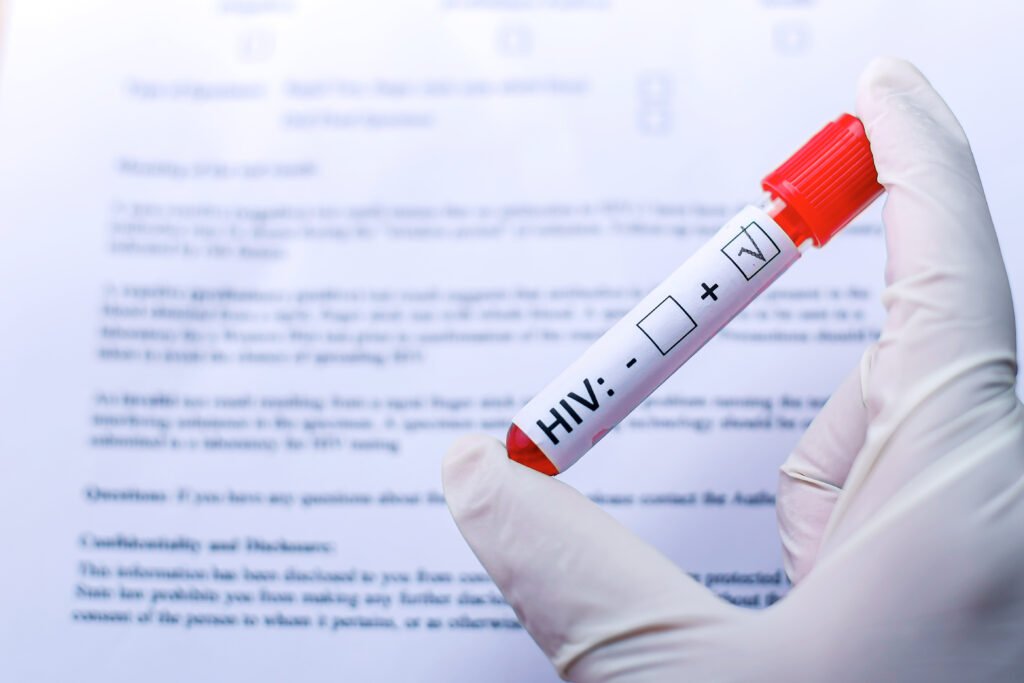
The only way to know your HIV status is through testing

Preventing HIV

HIV prevention includes:

  • Using condoms correctly and consistently. 
  • Knowing your HIV status through regular testing. 
  • Limiting the number of sexual partners. 
  • Mutual faithfulness between partners who know their HIV status. 
  • Taking Pre-Exposure Prophylaxis (PrEP) if at increased risk. 
  • Using Post-Exposure Prophylaxis (PEP) within 72 hours after a possible exposure. 
  • Never sharing needles or sharp instruments. 
  • Ensuring blood products are screened. 
  • Pregnant women living with HIV accessing treatment to prevent transmission to their babies. 

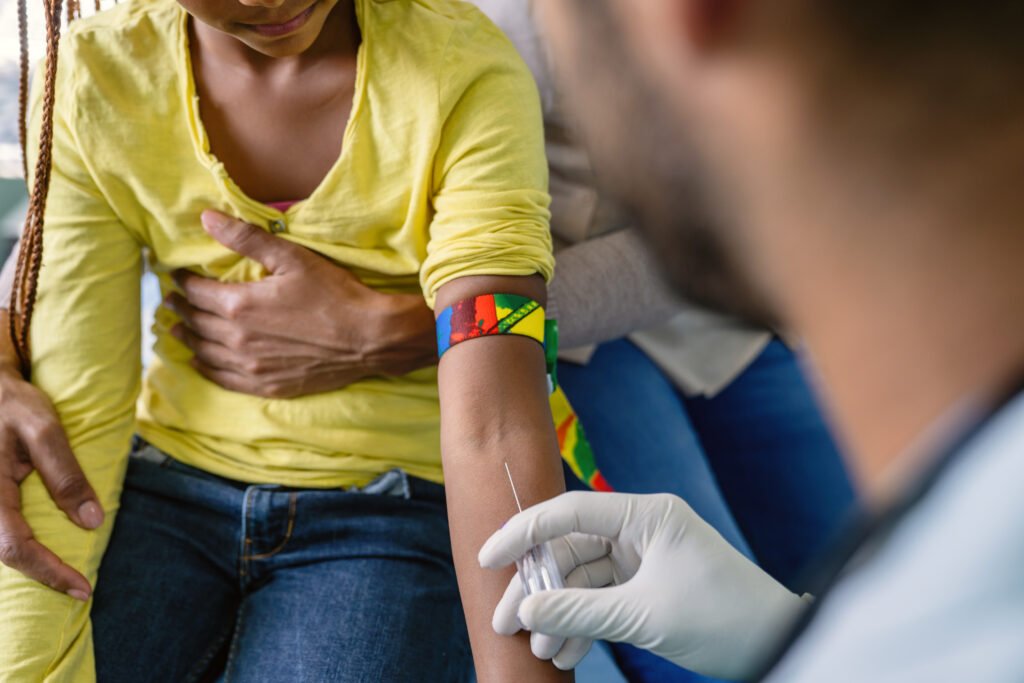
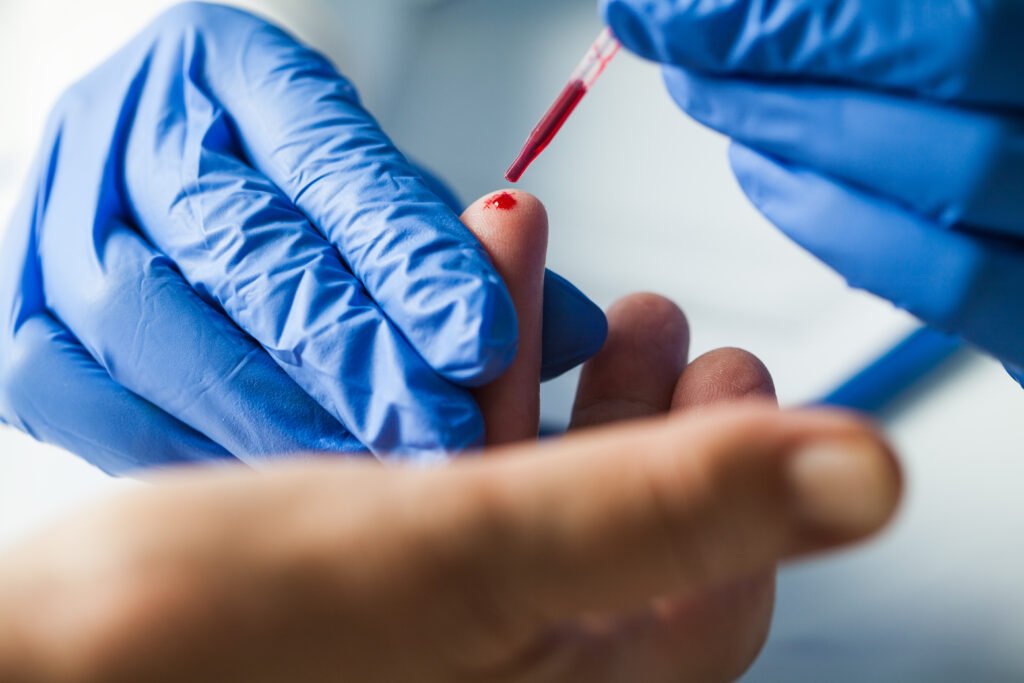
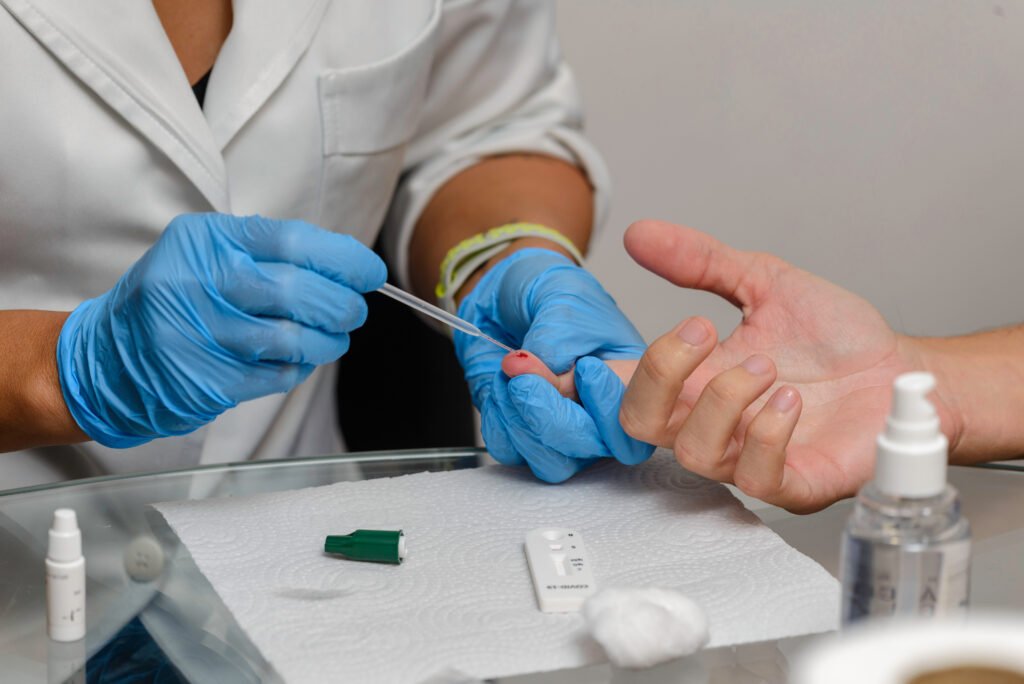
HIV Testing

Testing is simple, confidential, and available at many health facilities.

Testing options include:

  • Rapid HIV tests
  • Laboratory blood tests
  • Self-testing kits (where available)
  • Regular testing helps people know their status and access care early.

HIV Treatment

Although there is currently no cure for HIV, antiretroviral therapy (ART) controls the virus effectively.


Treatment helps:

  • Protect the immune system.
  • Reduce illness.
  • Prevent HIV transmission to sexual partners when viral suppression is achieved.
  • Improve quality of life.
  • Increase life expectancy.


People taking ART should continue treatment as prescribed and attend regular medical appointments.

What is Gonorrhea?

Gonorrhea is a bacterial sexually transmitted infection caused by Neisseria gonorrhoeae. It commonly affects the reproductive tract but can also infect the throat, rectum, and eyes.
Many people have no symptoms, making regular testing important.

Symptoms

Women may experience:

  • Pain during urination.
  • Increased vaginal discharge.
  • Bleeding between periods.
  • Pelvic pain.


Men may experience:

  • Burning sensation when urinating.
  • White, yellow, or green discharge from the penis.
  • Pain or swelling of the testicles.


Rectal infections may cause pain, itching, discharge, or bleeding.
Throat infections are often without symptoms.

Prevention

  • Correct and consistent condom use.
  • Regular STI testing.
  • Prompt treatment of infected individuals and their sexual partners.
  • Limiting sexual partners.

Testing

Healthcare providers diagnose gonorrhea using urine samples or swabs from the affected area.

Treatment

Gonorrhea is treated with antibiotics. It is important to complete the prescribed treatment and avoid sexual activity until treatment is finished and your healthcare provider confirms it is safe to resume.

What is Chlamydia?

Chlamydia is a common bacterial STI caused by Chlamydia trachomatis. Many infected individuals have no symptoms, but untreated infection can lead to serious complications, including infertility.

Symptoms

Women:

  • Abnormal vaginal discharge.
  • Burning during urination.
  • Pelvic pain.
  • Pain during sexual intercourse.


Men:

  • Penile discharge.
  • Pain during urination.
  • Testicular pain.

Prevention

  • Condom use.
  • Routine screening for sexually active
  • individuals at increased risk.
  • Limiting sexual partners.
  • Prompt treatment.

Testing

Testing involves urine samples or swabs collected by a healthcare provider.

Treatment

Chlamydia is treated with antibiotics. Sexual partners should also be tested and treated to prevent reinfection.

What is Syphilis?

Syphilis is a bacterial infection caused by Treponema pallidum. It develops in stages and can cause serious health complications if left untreated.

Symptoms

Primary stage:

  • A painless sore (chancre) at the site of infection.


Secondary stage:

  • Skin rash.
  • Fever.
  • Swollen lymph nodes.
  • Mouth sores.


Later stages may affect:

  • Brain.
  • Heart.
  • Eyes.
  • Nervous system.

Prevention

  • Correct condom use reduces risk but does not eliminate it completely because sores may be outside the area covered by a condom.
  • Regular STI testing.
  • Early treatment.
  • Avoiding sexual contact with infected sores.

Testing

Blood tests are commonly used to diagnose syphilis.

Treatment

Syphilis can usually be cured with antibiotics, particularly when diagnosed early. Prompt treatment also helps prevent transmission to others.

What is HPV?

Human Papillomavirus (HPV) is one of the most common sexually transmitted infections. There are many different types of HPV. Most infections resolve on their own, but some types can cause genital warts or increase the risk of cancers such as cervical, anal, penile, and throat cancers.

Symptoms

Most HPV infections have no symptoms.


Some people develop:

  • Genital warts.
  • Abnormal cervical cell changes detected during screening.

Prevention

  • HPV vaccination.
  • Condom use (reduces but does not eliminate risk).
  • Regular cervical cancer screening according to national recommendations.
  • Limiting sexual partners.

Testing

There is no routine HPV test for everyone. Cervical cancer screening (such as HPV testing or Pap tests, depending on national guidelines) helps identify changes that may require follow-up.

Treatment

There is no treatment that eliminates HPV itself, but healthcare providers can treat genital warts and manage abnormal cell changes before they develop into cancer.

Hepatitis B

Hepatitis B is a viral infection that affects the liver. It spreads through contact with infected blood and certain body fluids, including through sexual contact, from mother to child at birth, and through sharing contaminated needles.
Many adults recover completely, but some develop chronic infection, which can lead to liver damage, cirrhosis, or liver cancer.

Symptoms

Some people have no symptoms.


Others may experience:

  • Fever.
  • Fatigue.
  • Loss of appetite.
  • Nausea.
  • Abdominal pain.
  • Dark urine.
  • Yellowing of the skin and eyes (jaundice).

Prevention

  • Hepatitis B vaccination.
  • Condom use.
  • Safe injection practices.
  • Avoid sharing razors, toothbrushes, or needles.
  • Screening during pregnancy and appropriate newborn care.

Testing

Blood tests can determine whether someone has a current infection, has recovered from infection, or has immunity from vaccination.

Treatment

Acute hepatitis B often improves with supportive care. Chronic hepatitis B may require long-term medical follow-up and antiviral medicines for some individuals to reduce the risk of liver damage.

Living Positively

Receiving a diagnosis of HIV or another STI can be emotionally challenging, but it is important to remember that support and effective care are available. Many people continue to lead healthy, productive lives after diagnosis.
Living positively means taking steps to care for your health while protecting others.

Tips for Living Well

  • Attend regular medical appointments.
  • Take medicines exactly as prescribed.
  • Eat a balanced and nutritious diet.
  • Stay physically active.
  • Get enough sleep.
  • Avoid tobacco and limit alcohol use.
  • Practice safer sex and discuss prevention with partners.
  • Seek support from trusted friends, family, counselors, or support groups if needed.
  • Take care of your mental and emotional wellbeing.

With early diagnosis, appropriate treatment, and ongoing support, many HIV and STI-related complications can be prevented.

Frequently Asked Questions

Yes. Many STIs, including HIV, chlamydia, gonorrhea, HPV, and hepatitis B, may not cause noticeable symptoms. Regular testing is important if you are sexually active or think you may have been exposed.

If you are diagnosed with an STI, it is important that your sexual partner or partners are informed, tested, and treated if necessary. This helps prevent reinfection and protects everyone involved.

Some STIs, such as chlamydia, gonorrhea, and syphilis, can usually be cured with appropriate antibiotics. Others, including HIV and hepatitis B, cannot currently be cured, but they can be effectively managed with medical treatment. HPV infections often clear naturally, while related health problems can be treated or monitored.

Seek medical advice if you have symptoms of an STI, believe you have been exposed, or have had unprotected sex and are concerned about your risk. Early testing and treatment improve health outcomes and reduce the chance of spreading infection to others.


Important: The information on this page is provided for educational purposes only and is not a substitute for professional medical advice, diagnosis, or treatment. If you think you may have an STI or have been exposed to HIV, visit a qualified healthcare provider or your nearest health facility for testing, diagnosis, and appropriate care.

Family Planning

Family planning allows individuals and couples to make informed choices about pregnancy.
Learn about available contraceptive methods, how they work, their effectiveness, and how to access services.
Pregnancy and Maternal Health

Healthy pregnancies begin with good preparation.


Learn about:

  • Antenatal care
  • Nutrition during pregnancy
  • Safe delivery
  • Postnatal care
  • Breastfeeding